
In hydraulic systems, speed is often as critical as power. When a hydraulic cylinder begins to move sluggishly, it doesn’t just slow down production—it’s often a warning sign of underlying system inefficiencies or impending component failure.
Understanding why a cylinder is losing its pace is essential for maintaining a high-performance hydraulic system. Here are the primary reasons for slow movement and how to address them.
1. Insufficient Flow Rate from the Pump
The speed of a hydraulic cylinder is directly determined by the flow rate (measured in L/min or GPM) entering the cylinder. If the flow drops, the speed drops.
- Internal Wear: As hydraulic pumps age, internal clearances increase, leading to “internal leakage.” This means some of the oil slips back to the inlet instead of being pushed to the cylinder.
- Incorrect Pump Speed: If the prime mover (electric motor or engine) isn’t reaching its rated RPM, the pump cannot produce the required flow.
2. Internal Leakage within the Cylinder
If hydraulic fluid “bypasses” the piston inside the cylinder, the pressure won’t effectively push the piston rod forward.
- Piston Seal Failure: Over time, piston seals can wear out or become brittle. When this happens, high-pressure oil leaks from the cap end to the rod end (or vice versa), causing the cylinder to move slowly or “drift” under load.
- Scored Cylinder Barrel: Deep scratches on the inner walls of the barrel allow oil to bypass the seals, regardless of how new the seals are.
3. Flow Control Valve Issues
Flow control valves are designed to regulate speed, but they can become bottlenecks if they malfunction.
- Incorrect Adjustment: Sometimes the solution is as simple as a knob that was turned too far.
- Blockages: Small particles of debris can clog the orifice of a needle valve or a pressure-compensated flow control valve, restricting the volume of oil that can reach the actuator.
4. Excessive External Load or Low System Pressure
While flow dictates speed, pressure is required to overcome the resistance of the load. If the system cannot generate enough pressure to move the load easily, the cylinder will struggle.
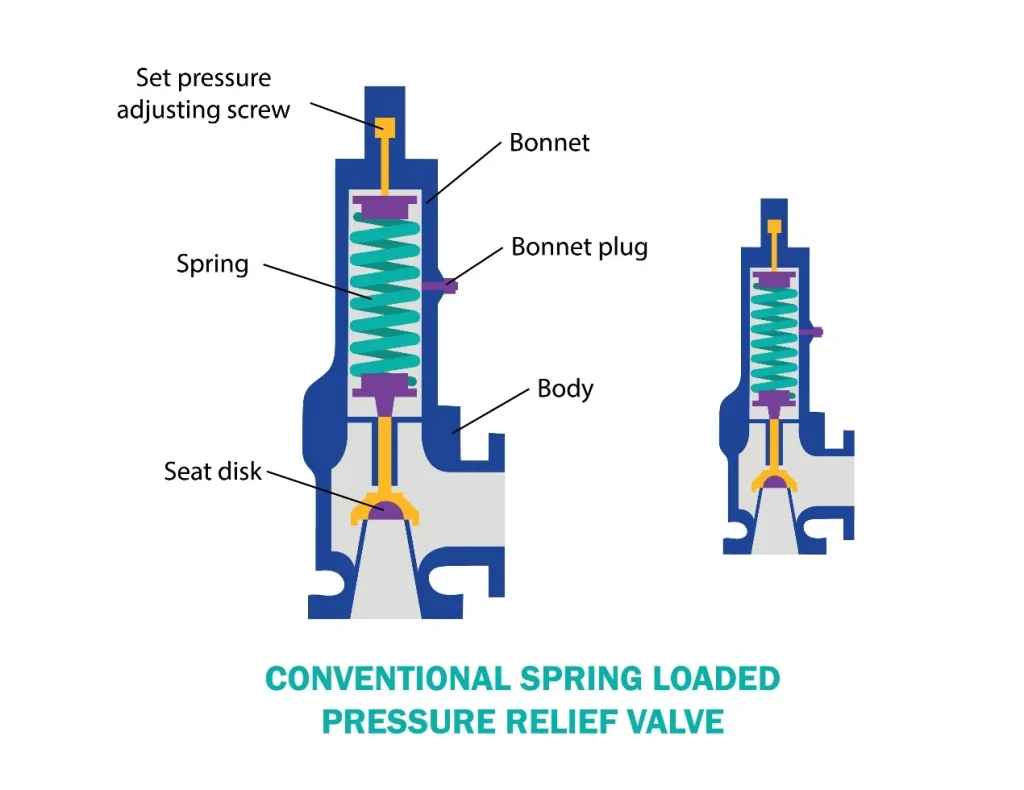
- Relief Valve Setting: If the main relief valve is set too low or is leaking, pressure will bleed off to the tank before the cylinder can complete its stroke, leading to slow and weak movement.
- Mechanical Friction: If the machinery the cylinder is pushing is misaligned or poorly lubricated, the increased friction acts as an “extra load,” slowing down the cycle.
Shutterstock
5. Aeration and Cavitation
Air in the hydraulic fluid is a common culprit for “spongy” or slow movement.
- Aeration: Air bubbles make the hydraulic fluid compressible (oil is normally incompressible). This means the pump spends time compressing air pockets instead of moving the piston.
- Cavitation: If the pump is “starved” of oil due to a clogged suction strainer, it creates a vacuum that forms vapor bubbles. This reduces the actual volume of oil being delivered to the system.
Diagnostic Checklist
If you are facing a slow cylinder, follow these steps:
- Check Fluid Levels: Ensure the reservoir is full and the oil is not foamy (a sign of air).
- Inspect Filters: Clogged filters can restrict flow and cause pump starvation.
- Test the Relief Valve: Ensure it is reaching the design pressure without dumping oil prematurely.
- Perform a Bypass Test: Cycle the cylinder to the end of its stroke and check if pressure continues to flow into the return line—this confirms internal seal leakage.
Conclusion
Slow cylinder movement is rarely a mystery; it is usually a matter of lost flow or insufficient pressure. By systematically checking the pump, the seals, and the valves, you can restore your system to its original efficiency and prevent costly downtime.

